Pump Control Board
MASTER INTAKE
-300150300450600
0
psi
MASTER DISCHARGE
0150300450600
0
Total Flow
0 gpm
Qphys 0 • Qdisp 0 • Δ0
—
SET PDP
IDLE
psi
Tap +/− to trim. Hold to repeat. Swipe the number for faster changes.
Intake / Supply
Tank-to-pump
Draft Source
Hydrant
Primer
Discharge Lines
Drains
Main pump drain
Training Setup
Department
Apparatus
Tank size
Fault difficulty
Set profile + difficulty, then use Dispatch event to trigger either a fault symptom or a crew request.
Debrief log (latest 5)
No events yet.
Gauges
010002000
0
Flow (GPM)
0100200300400
0
NET pump (ΔPSI)
100%
70°F
Low flow + high RPM heats the pump. Cavitation damages pump and kills pressure.
Warning LightsNo active alerts
NOZZLE PRESSURE0 psi
CAVITATIONNo
PRIMEOK
OVERHEATNo
Cavitation
Overheat
Prime Lost
Low Tank
High PSI
Off Target
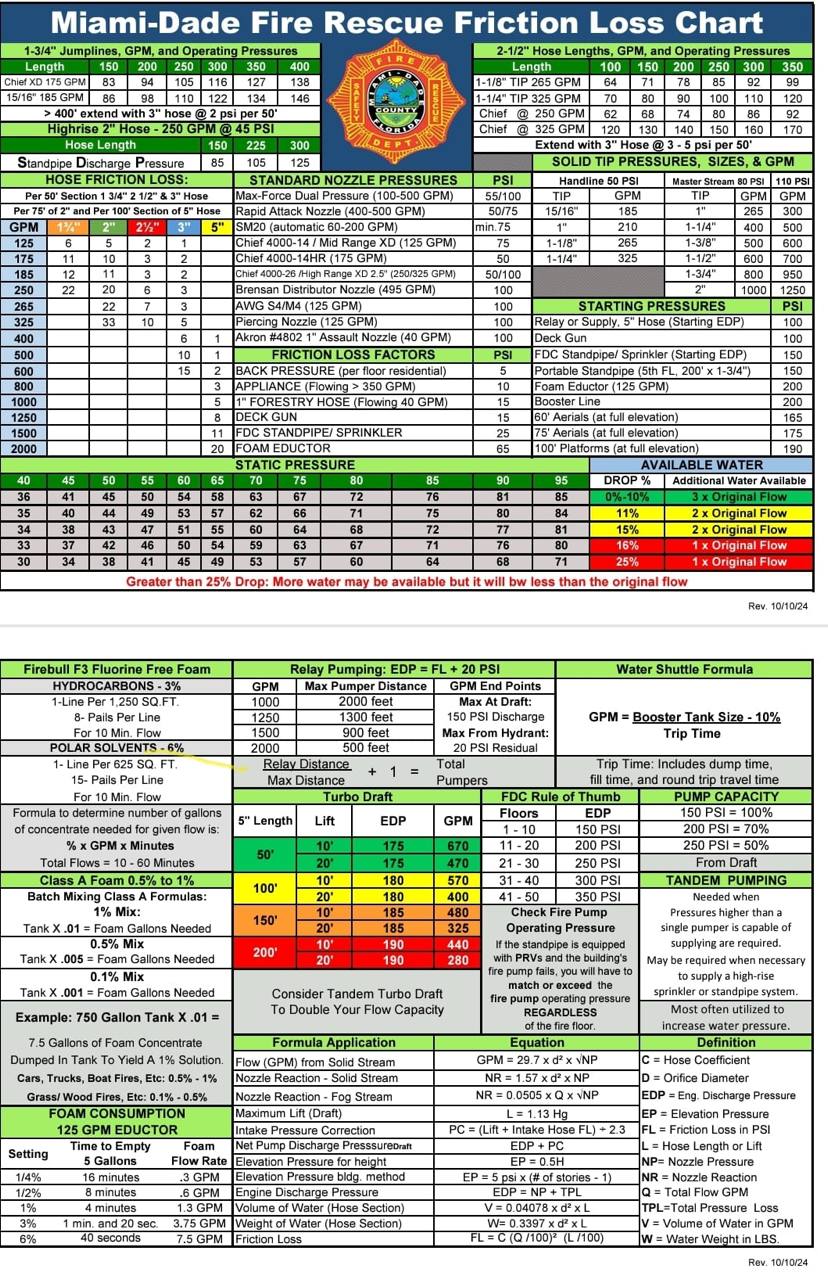
Miami-Dade Friction Loss Chart
Nozzle Flashcards
0 / 0
Smoothbore Flow Tool
Nozzle Diameter
—
—
—
—
—
Nozzle Pressure (PSI)
—
—
—
—
—
297GPM
Q = 29.7 × d² × √NP
Quick estimate for smoothbore flow. Uses Q = 29.7 × d² × √NP.
EDP Calculator
Line A — psi
Line B — psi
0PSI
PDP Equation
—
Available Water Calculator
Drop: — psi (—%)
Drop Range
Pressure Drop (psi)
Available Water (gpm)
0–10% (3×)
—
—
11–15% (2×)
—
—
16–25% (1×)
—
—
>25% (less than 1×)
—
—
Available Water (Current Drop)
—GPM
Relay Calculator
Max pumper distance at this GPM: —
1PUMPERS
0PSI EACH
Enter flow + distance to calculate relay pressure and pumper count.
Hydrant Map
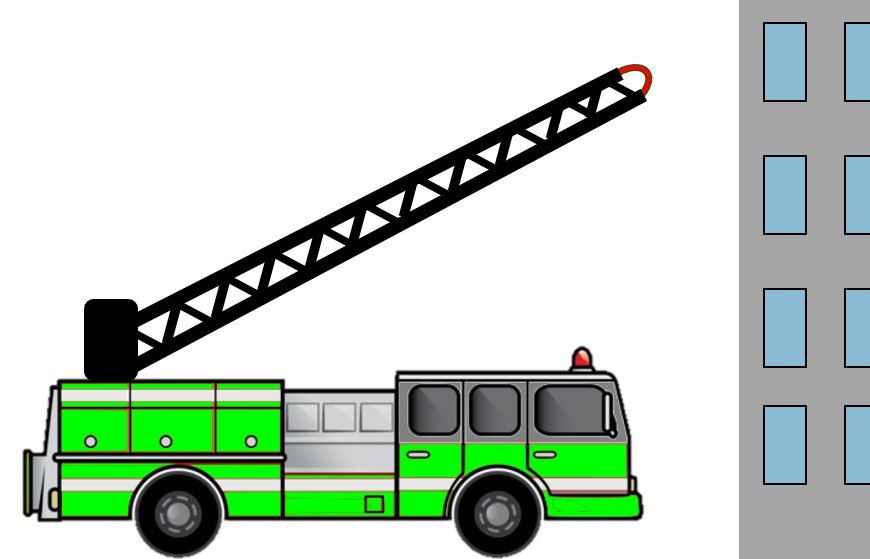
Ladder Calculator
—FT
Choose truck + enter Height or Setback.
Prototype 3 — Fire Truck Water Pump
Single-page pump panel + simplified fluid dynamics (centrifugal pump curve × hose/nozzle system curve)
Decisions: 0/0
Dispatch Event